Beginning
Watering may seem easy, but it’s one of the most important and least understood parts of gardening. A lot of plants have trouble not because of bugs or bad soil, but because they are watered incorrectly. Some gardeners water too much, some too little, and some at the wrong time of day. Knowing how much water plants need can greatly improve their health, speed up their growth, stop diseases, and make gardening easier in general. Learning how to water your plants properly can help you get healthier, greener, and more productive plants without wasting water or time, whether you have a big garden in your backyard or just a few pots on your balcony. This guide tells you everything you need to know about watering your garden so you can do it well and with confidence.
Knowing how much water plants really need
The amount of water that different types of plants need depends on their species, age, climate, and soil type. Too much water can be worse than not enough water because roots can rot if the soil stays wet for too long. Before watering, a good gardener knows how to check the moisture levels. The best way is to put your finger a few inches into the ground. The plant probably needs water if it feels dry at that depth. Clay soil holds water longer and needs slower, deeper watering. Sandy soil drains quickly and needs to be watered more often. In hot weather, plants in pots dry out faster than plants in garden beds. Young plants need a steady supply of water to grow strong roots, but older plants can handle drying out more. You can save time and avoid making mistakes that hurt your garden by learning these patterns.
How Deep Watering Makes Plants Stronger
Watering plants only a little bit at a time makes the top layer of soil wet, which makes the roots weak and shallow. Deep watering, on the other hand, lets water get to the root zone, which makes the roots grow down and become stronger. Plants with strong roots can handle heat, drought, and wind much better than those with weak roots. This method also keeps the soil from drying out too fast. Fruit trees, shrubs, and vegetables like tomatoes need deep watering more than other plants. The best way is to soak slowly, because this lets the water get in instead of running off the surface. Deep watering helps plants stay healthy, lowers stress, and gives you better yields in edible gardens over time.
When to Water Plants the Most
When you water your plants has a big effect on their health and how much water they use. Watering in the morning is best because the air is cooler and plants have all day to soak up the water before it evaporates in the heat. Watering in the morning also stops fungal diseases that happen when leaves stay wet all night. Watering in the evening is not the best idea because the cooler temperatures at night keep moisture on the plant’s surface longer than it needs to. Watering in the middle of the day isn’t effective either because the hot sun makes water evaporate quickly and can stress plants. Plants are healthier and gardeners have fewer problems with mildew and fungus when they water them every morning. In places with very hot weather, watering very early in the morning, just before sunrise, works even better.
How to Give Plants Water Without Wasting It
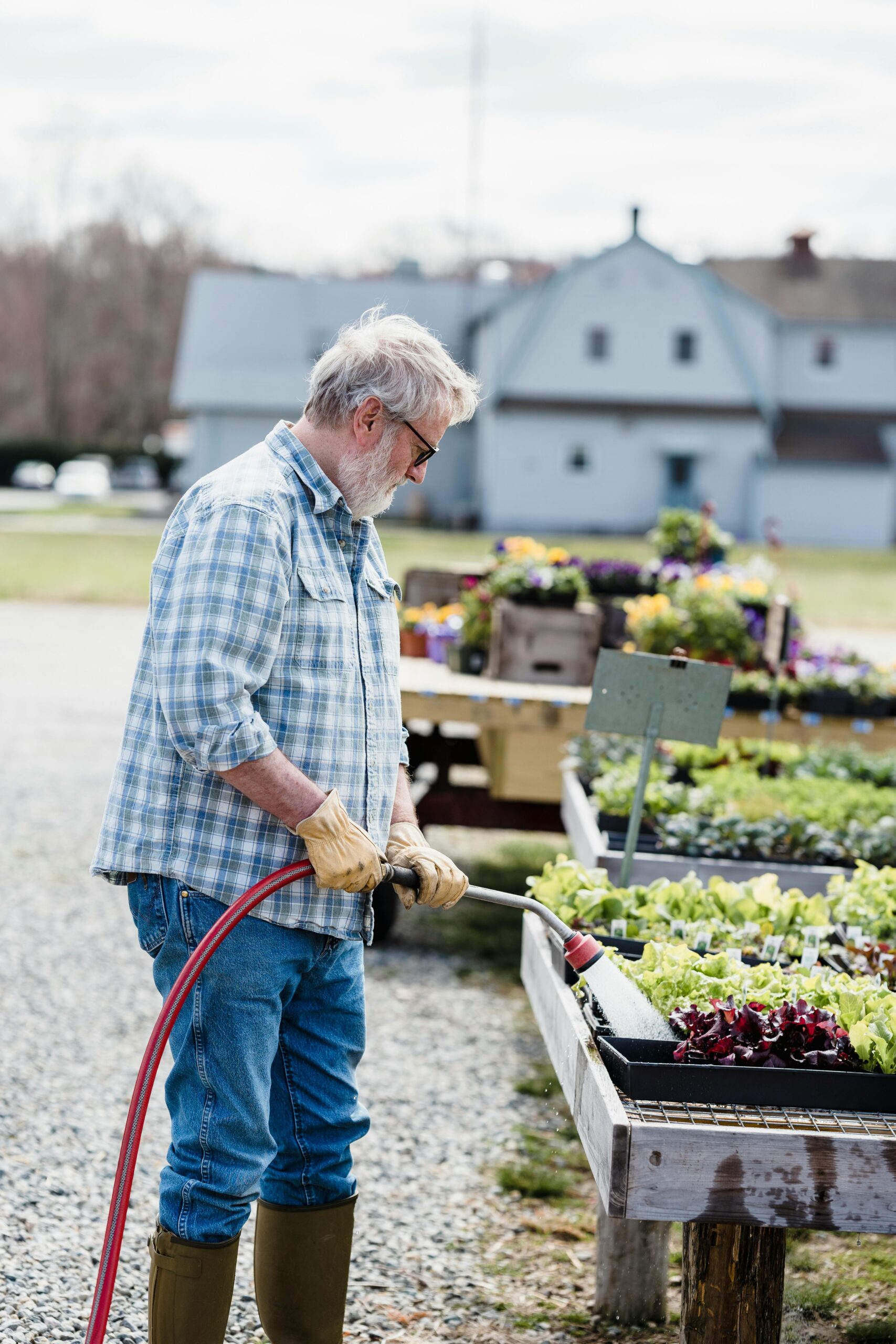
It’s important to save water, especially in places where it costs a lot or isn’t available. Smart ways to water plants help them grow and keep them from wasting water. Using a watering can or a hose with a soft nozzle gives you more control and keeps water from running off. Watering the soil instead of the leaves makes sure that the water gets to the roots, which is where it is needed most. One of the easiest ways to save water is to mulch, which keeps roots cool and stops soil from drying out too quickly. A layer of mulch that is only two inches thick can cut down on how much you need to water by half. Drip irrigation and soaker hoses are great for garden beds because they slowly and directly deliver water to the roots. Another green and cheap way to save water is to collect rainwater in barrels and use it when it’s dry.
Signs that you are watering too much or too little
Plants talk to each other through how they look, and it’s important to learn how to read those signs so you can water them correctly. Plants that get too much water often have leaves that turn yellow, stems that are soft, and soil that smells musty. Many gardeners are confused by the fact that they can wilt even when the soil is wet. Plants that don’t get enough water usually look dry, crispy, or droopy, and the soil pulls away from the edges of the pot. The leaves might not be as shiny as they used to be. Once you know what these visual cues mean, you can change how often you water your plants quickly. Plants don’t like it when the weather changes quickly from very dry to very wet or the other way around. Stable moisture levels lead to better growth and fewer problems with plants.
How to Water Plants in Containers
You need to take a different approach with container plants because pots dry out faster than soil in the ground. The sun warms the sides of pots, which makes water evaporate quickly. In hot weather, small pots can dry out in a few hours, but larger pots stay moist longer. The best way to do this is to water the plant all the way through until water comes out of the bottom of the pot. This makes sure that the whole root zone gets water. It’s important to use pots with drainage holes because roots can drown in standing water. Also, choosing a good potting mix is helpful because it holds moisture better than regular garden soil. Self-watering containers are a great choice for busy gardeners because they keep the soil moist all the time without the risk of overwatering.
How to Use Tools and Equipment to Water Efficiently
You can make watering easier and more effective by picking the right tools. Watering cans are best for small gardens or plants that live inside because they let you control the amount of water they get. You can change the flow of water from gentle to strong with garden hoses that have adjustable nozzles. Soaker hoses and drip irrigation systems are great for flower beds, vegetable gardens, and rows of shrubs because they water plants slowly and evenly, which cuts down on waste. If you’re new to gardening and have trouble figuring out when to water your plants, a moisture meter can help. Buying good watering tools saves you time, makes your garden last longer, and makes sure that your plants get water in the best way possible.
In conclusion
One of the most important things a gardener can learn is how to water their plants. Every little change you make to the way you water your plants, from knowing how moist the soil is to watering at the right time of day, makes a big difference in their health. Plants grow stronger, make more flowers and vegetables, and fight off disease better when they are watered correctly. Consistent and careful watering will help you enjoy a colorful, lush, and productive outdoor space with less work and fewer mistakes, no matter how big or small your garden is. Water your plants wisely, watch them, and keep improving your skills as your garden grows.
Questions and Answers
Q1: How often do I need to water the plants in my garden?
A: Most garden plants like to be watered deeply once to three times a week, depending on the weather, the type of soil, and the type of plant. Before watering, always check the moisture level in the soil.
Q2: Even when the soil is wet, why do my plants wilt?
A: This means that you are watering too much or that the roots are rotting. Plants can’t get enough water when their roots can’t breathe because there is too much moisture. They start to wilt.
Q3: Can I water my plants at night?
A: Watering at night makes fungal diseases more likely because the leaves stay wet for too long. Watering in the morning is always the best choice.
Question 4: Should I water my plants from the top or the bottom?
A: Watering the soil level is best because it sends water straight to the roots and keeps the leaves from getting sick. When done every now and then, bottom watering works well for potted plants.
Q5: How can I tell if I’m not giving my plants enough water?
A: Signs of this problem include dry, crispy leaves, soil pulling away from the pot, and plants that look droopy even after watering. This problem usually goes away with regular watering.

