
Beginning
Every successful garden starts with healthy soil. The quality of your soil affects how well your plants grow, how many they produce, and how well they resist disease, whether you grow vegetables, flowers, herbs, or shrubs. Many gardeners have trouble with bad soil without knowing that there are some easy and effective ways to make it better. Soil improvement is not something you do once; it’s something you do all the time to make the soil more fertile, better structured, better at draining, and more active with microbes. Improving your soil not only helps plants grow, but it also makes your garden easier to care for, gives you bigger harvests, and makes it a better place to grow. This guide gives you useful tips on how to improve the quality of your soil so that your plants can grow bigger, healthier, and more productive.
Getting to Know Soil Structure
The way soil particles are arranged and how easily water, air, and nutrients move through the soil is called soil structure. Roots can spread out, take in nutrients, and grow freely when the soil structure is good. Over time, many garden soils get hard, which makes it hard for plants to grow well. Loosening the soil without changing its natural balance is a part of improving its structure. Adding organic matter makes it easier for air and water to flow through. Plants grow stronger roots and are better able to handle stress and changes in the environment when the soil structure is healthy.
Adding Organic Matter
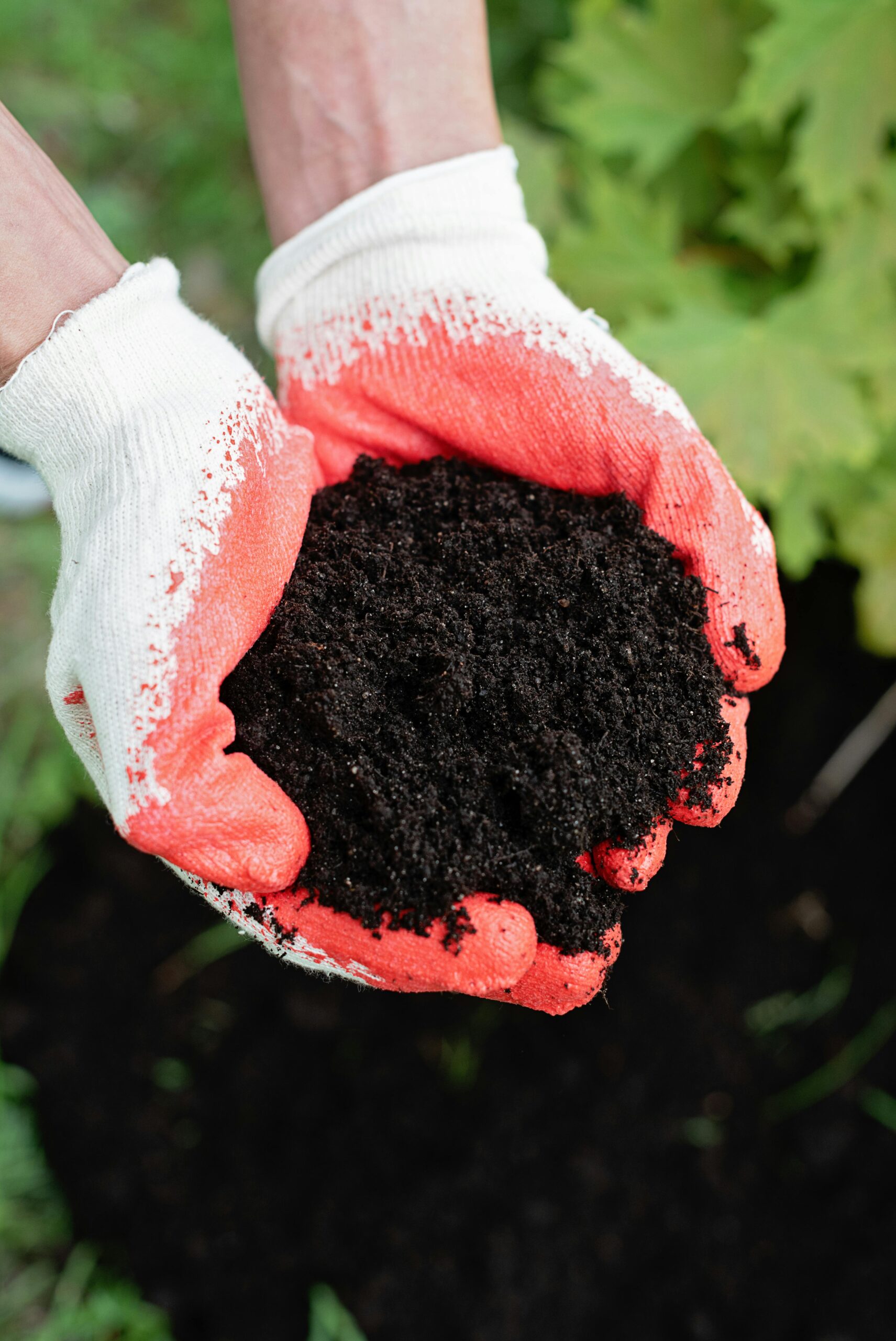
Adding organic matter to soil is one of the best ways to make it better. Compost, broken-down leaves, old manure, and plant waste are all parts of it. These materials take a long time to break down, but they add important nutrients to the soil. Organic matter also helps the soil hold onto water and drain better, which is the perfect balance for plants to grow. Adding organic matter over time makes microbes more active, which is good for the soil’s health. Strong roots, healthier plants, and more productivity come from soil that has a lot of organic matter in it. One of the easiest ways to keep your soil fertile for years to come is to make it a habit to add organic matter on a regular basis.
How to Use Mulch to Your Advantage
Another great way to make the soil better is to mulch it. Covering the soil with organic mulch like wood chips, straw, or shredded leaves makes a protective layer that keeps the soil temperature stable, stops water from evaporating, and keeps weeds from growing. When the mulch breaks down on its own, it adds nutrients to the soil and makes it feel better. Mulching also keeps soil from washing away in the rain and wind. Adding mulch around your plants and garden beds helps keep the area stable, which is good for the roots to grow. Mulch works all year long to make the soil better with very little work.
Testing and Changing the pH of the Soil
The pH of the soil is very important for how well plants take in nutrients. Even if nutrients are in the soil, they can’t be used when the pH is too acidic or too alkaline. By testing the pH of your soil, you can figure out what changes need to be made. Adding lime to your soil can make it less acidic if it is too acidic. Adding sulfur can help lower the pH if it is too alkaline. Plants can take in nutrients better when the pH is balanced. This makes their leaves healthier, their roots stronger, and their growth better overall. Regularly checking the pH of your soil makes sure it stays in the right range for your plants.
Making drainage better
Many gardens have trouble with drainage, which can quickly cause plants to rot and become sick. Better drainage in the soil helps extra water move away from plant roots, which keeps the soil from getting too wet. Adding organic matter to heavy clay soils makes them less dense, which naturally improves drainage. If your area has bad drainage all the time, raised beds and containers can help. Making sure that water flows away from your plants in the right way helps them get the right amount of moisture without getting stressed. Good drainage makes the soil more balanced and helps plants grow strong all season long.
Increasing the number of microbes in the soil
Bacteria, fungi, and earthworms are all good microorganisms that live in healthy soil. These organisms are very important for breaking down organic matter, releasing nutrients, and making the soil better. Encouraging microbial life keeps your soil healthy and full of life. These organisms can grow better with the help of compost, mulch, and natural fertilizers. Not using chemical pesticides and synthetic fertilizers also helps keep the natural balance of life in the soil. Plants grow stronger, fight off diseases better, and make more when the soil is full of good microbes. Building microbial activity turns your soil into a place where plants can grow on their own and get all the nutrients they need.
Not Over-Tilling
A lot of gardeners till their soil to make it easier to work with, but too much tilling can make things worse. Too much tilling breaks up the structure of the soil, kills helpful organisms, and makes layers that are hard for roots to get through. Instead of tilling, which can damage the soil, try minimal or no-till gardening. This is where you add organic matter to the top of the soil and let it mix in on its own. This method keeps the natural balance of soil life while making it more fertile. Not tilling the soil too much helps keep it stable and healthy, which is good for plants that will grow for a long time.
Conclusion
To make a garden that grows well and is productive, you need to improve the quality of the soil. Strong roots, good growth, higher yields, and tougher plants all come from healthy soil. You can help plants reach their full potential by adding organic matter, using mulch, improving drainage, changing the pH of the soil, and encouraging microbial life. Improving the soil is not just a job; it’s an investment in the long-term success of your garden. If you take care of your plants and focus on making the soil healthy, they will grow stronger, your garden will thrive, and you will enjoy the benefits of a beautiful growing space for years to come.
Questions and Answers
Q: How often should I put organic matter in my soil?
To keep soil healthy, it’s best to add organic matter once or twice a year.
Q: What’s the quickest way to make the soil better?
Adding compost is the quickest and best way to improve the structure and fertility of the soil.
Q: How can I tell if my soil doesn’t drain well?
Your soil may not be able to drain properly if water stays on the surface for too long or if plants look like they are waterlogged.
Q: Does mulch really make the soil better?
Yes, mulch breaks down on its own, adds nutrients, and helps keep the soil’s temperature and moisture levels stable.
Q: What does the pH of the soil have to do with plant growth?
The pH of the soil affects how well plants take in nutrients. The right pH level makes sure that plants get the nutrients they need.

