
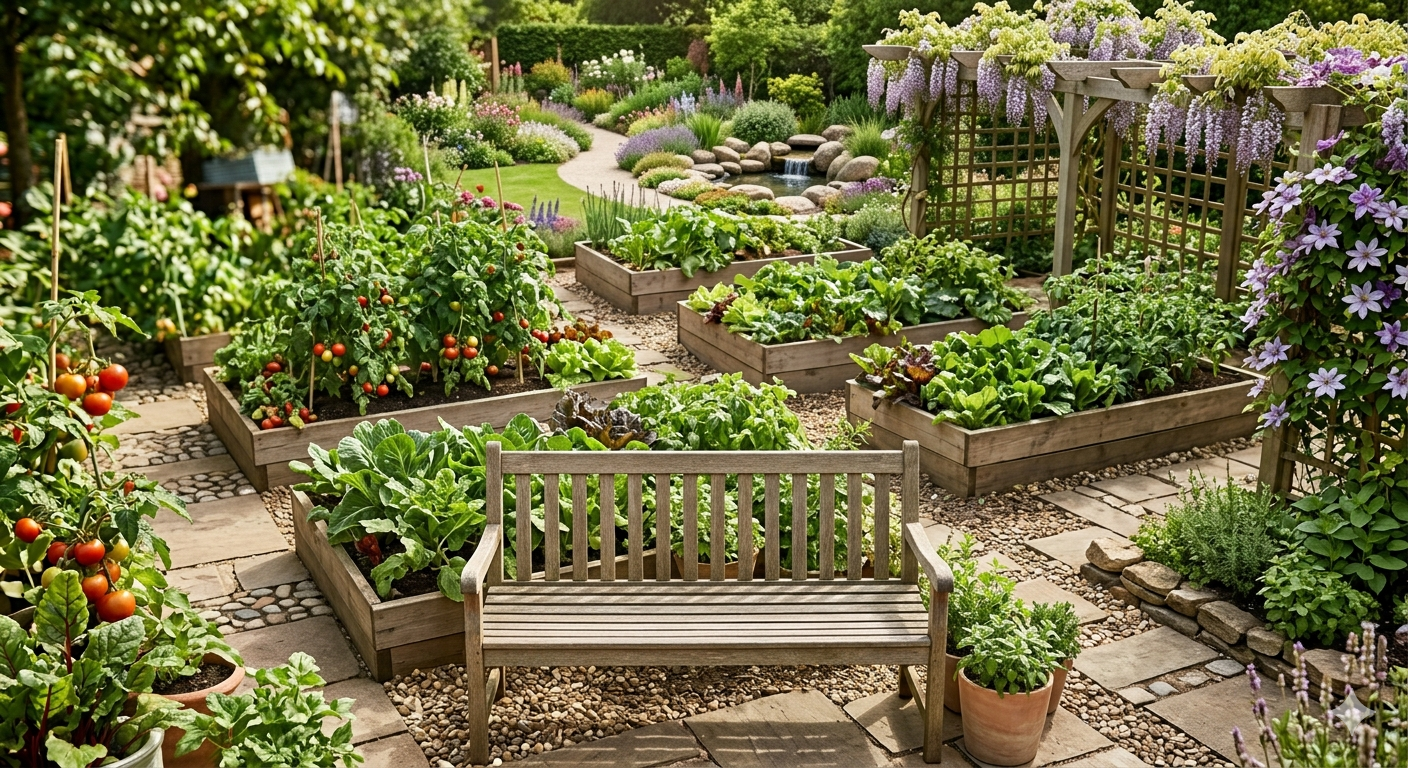
A beautifully designed garden is more than just a patch of green—it’s an extension of your home, a place of relaxation, and a reflection of your personal style. Whether you have a tiny backyard or a sprawling estate, smart garden design and landscaping can transform your outdoor space into a functional, aesthetically pleasing sanctuary. This comprehensive guide will help you understand the principles of garden design, practical landscaping tips, and actionable strategies to create a stunning outdoor environment that enhances both the beauty and value of your property.
Understanding Garden Design: The Foundation of a Beautiful Landscape
Garden design is the art and science of planning your outdoor space to balance aesthetics, function, and sustainability. Before digging or planting, consider your garden’s purpose. Are you looking for a peaceful retreat, a family-friendly play area, or a vibrant space to entertain guests? Defining your goals ensures every element you include aligns with your vision.
Key principles of garden design include balance, proportion, color, texture, and focal points. Balance ensures your garden feels harmonious rather than chaotic, while proportion keeps plant sizes, furniture, and features in scale with your outdoor space. Choosing a color palette that complements your home and using textures creatively—such as combining smooth pebbles with rough stone paths—adds depth and visual interest. Finally, focal points like a water feature, sculpture, or ornamental tree draw the eye and anchor your garden’s layout.
Landscaping Tips: Transforming Function into Beauty
Landscaping is the practical implementation of garden design. It involves shaping your terrain, planting trees and shrubs, creating walkways, and adding decorative features. A well-executed landscaping plan balances beauty with functionality.
Plan Your Layout
Start by sketching a rough layout of your garden. Identify areas for lawns, flower beds, vegetable patches, and seating spaces. Consider sun and shade patterns, drainage, and accessibility. This planning stage minimizes costly mistakes and ensures your garden is both functional and attractive.
Choose Plants Wisely
Plant selection is crucial for a thriving garden. Opt for native or drought-resistant plants—they require less maintenance and water, which is especially beneficial in regions prone to dry weather. Mix annuals and perennials to ensure your garden has color throughout the year. Don’t forget to include shrubs and trees to add vertical structure and create natural privacy barriers.
Incorporate Hardscaping Elements
Hardscaping refers to the non-living components of your landscape, such as paths, patios, retaining walls, and decks. These elements not only enhance the visual appeal of your garden but also provide practical benefits. For instance, stone walkways guide visitors through your garden while preventing soil erosion, and raised flower beds make gardening easier on your back.
Maximize Outdoor Living Spaces
Modern landscaping emphasizes outdoor living. Consider adding comfortable seating areas, fire pits, pergolas, or even a small outdoor kitchen. These features transform your garden into an extension of your home, perfect for entertaining or unwinding after a long day.
Sustainable Gardening: Eco-Friendly Practices That Work
Sustainable gardening practices help you maintain a beautiful garden while protecting the environment.
-
Composting: Transform kitchen scraps and garden waste into nutrient-rich compost to enrich your soil naturally.
-
Rainwater Harvesting: Collect rainwater to irrigate your garden, reducing dependence on municipal water.
-
Mulching: Mulch conserves soil moisture, suppresses weeds, and adds organic matter as it decomposes.
-
Native Planting: Native plants support local wildlife, including pollinators like bees and butterflies, while requiring less water and care.
Adopting these practices not only benefits the environment but also reduces maintenance time and costs.
Common Garden Design Styles
Understanding different garden styles can inspire your landscaping project and help you achieve a cohesive look.
-
Formal Gardens: Characterized by symmetry, geometric patterns, and neatly trimmed hedges. Ideal for homeowners seeking a classic and structured look.
-
Cottage Gardens: Informal, colorful, and overflowing with flowers. Perfect for a relaxed, whimsical vibe.
-
Japanese Gardens: Focused on serenity, balance, and natural elements like rocks, water, and bonsai trees. Excellent for meditation and relaxation.
-
Modern Minimalist Gardens: Clean lines, simple plant arrangements, and subtle textures dominate this style. It works well in urban settings or smaller spaces.
Choosing a style that resonates with your personality ensures that your garden feels intentional and cohesive rather than cluttered.
Seasonal Maintenance Tips
Even the most beautifully designed garden requires care throughout the year. Seasonal maintenance ensures your plants thrive and your outdoor space remains attractive.
-
Spring: Prune dead branches, plant new flowers, and fertilize lawns to encourage healthy growth.
-
Summer: Water deeply but less frequently to encourage deep root growth, and check for pests regularly.
-
Autumn: Rake leaves, mulch flower beds, and plant bulbs for spring bloom.
-
Winter: Protect sensitive plants from frost, clean tools, and plan next year’s garden upgrades.
Consistent care not only maintains your garden’s beauty but also prevents long-term problems like soil depletion, pest infestations, and plant diseases.
FAQ: Common Questions About Garden Design & Landscaping
Q1: How do I start designing my garden if I have limited space?
A1: Focus on vertical gardening, container plants, and multifunctional furniture. Choose compact or dwarf plant varieties and use mirrors or lighting to create the illusion of space.
Q2: How can I make my garden low-maintenance?
A2: Opt for native or drought-resistant plants, use mulch to reduce weeds, incorporate automatic irrigation, and limit high-maintenance grass areas by replacing them with ground covers or decorative gravel.
Q3: What’s the best way to create privacy in a garden?
A3: Plant tall shrubs or trees along boundaries, install trellises with climbing plants, or add garden screens and pergolas to create secluded spaces without sacrificing aesthetics.
Q4: How do I choose the right plants for different seasons?
A4: Mix perennials (bloom year-round) with annuals (seasonal color). Check your region’s climate and frost dates, and select plants that thrive in your soil type and sunlight conditions.
Q5: Can landscaping increase my home’s value?
A5: Yes, well-planned landscaping improves curb appeal, enhances outdoor living spaces, and demonstrates thoughtful property maintenance, all of which can significantly boost your home’s market value.
Conclusion
Garden design and landscaping are powerful tools that can transform any outdoor space into a beautiful, functional, and enjoyable retreat. By understanding the principles of garden design, choosing the right plants, incorporating practical landscaping elements, and embracing sustainable practices, you can create a garden that not only enhances your home but also supports your lifestyle and the environment. Whether you prefer a structured formal garden, a relaxed cottage style, or a minimalist urban space, planning carefully and maintaining your garden seasonally ensures long-lasting beauty and enjoyment. Take the time to design intentionally, invest in quality elements, and nurture your garden regularly—you’ll reap the rewards of a vibrant, inviting, and truly personalized outdoor haven.

