
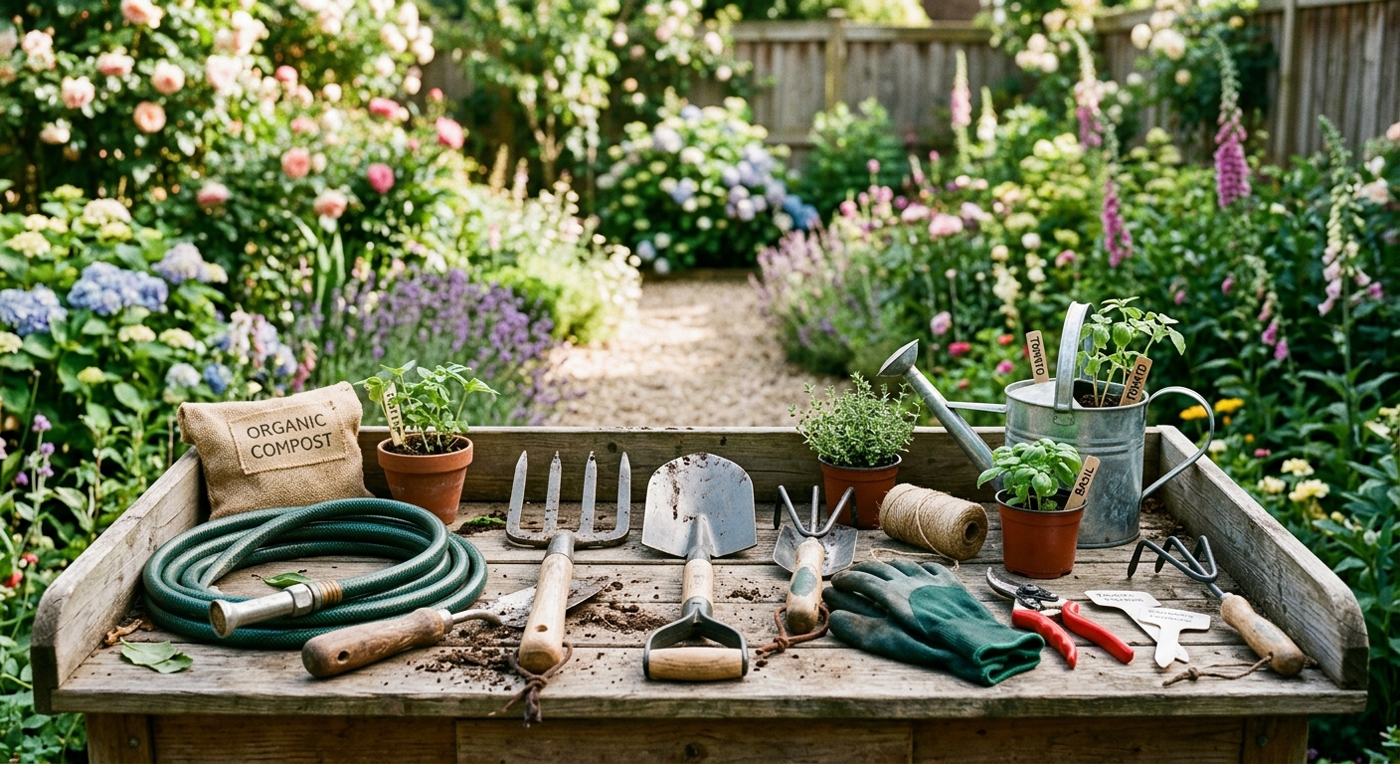
A thriving garden starts with the right tools and supplies. Whether you’re a beginner planting your first flowers or an experienced gardener tending to a large backyard, having the proper equipment can make all the difference. The right tools not only save time and effort but also ensure your plants grow healthy and your garden remains organized and beautiful. In this guide, we’ll explore essential garden tools, supplies, maintenance tips, and buying advice to help you create a flourishing outdoor space.
Why the Right Garden Tools Matter
Many gardeners underestimate the impact of using proper tools. Quality tools make tasks like digging, planting, pruning, and weeding easier, faster, and safer. Poor-quality tools can break easily, cause injury, or make gardening unnecessarily difficult. Investing in essential garden tools is an investment in your garden’s health and your own comfort.
Proper tools also reduce physical strain. Ergonomic handles, lightweight designs, and sharp blades mean less stress on your hands, wrists, and back. This is especially important if you spend several hours tending to your garden each week.
Must-Have Garden Tools
1. Hand Tools
Hand tools are the backbone of any garden. Key items include:
-
Trowel: Perfect for planting, transplanting, and digging small holes.
-
Hand fork: Useful for loosening soil and removing weeds.
-
Pruning shears: Ideal for trimming flowers, shrubs, and small branches.
-
Weeder: Helps remove stubborn weeds from tight spaces.
2. Digging & Planting Tools
For larger tasks, these tools are essential:
-
Spade: Great for digging and edging.
-
Garden fork: Breaks up compacted soil and aerates the ground.
-
Hoe: Useful for creating furrows and controlling weeds in garden beds.
3. Watering Tools
Healthy plants require proper watering, and the right tools make this easier:
-
Garden hose with adjustable nozzle: Ensures water reaches all areas without damaging delicate plants.
-
Watering can: Handy for potted plants or small garden areas.
-
Soaker hose or drip irrigation system: Delivers water directly to roots, saving water and time.
4. Lawn Care Tools
Maintaining a lush lawn requires specialized equipment:
-
Lawn mower: Choose the right size and type (manual, electric, or gas) for your lawn.
-
Grass trimmer/edger: Keeps edges clean and tidy.
-
Rake: Removes leaves, debris, and grass clippings efficiently.
5. Protective Gear
Gardening can be tough on your body, so don’t forget safety:
-
Gloves: Protect your hands from thorns, chemicals, and blisters.
-
Kneeling pad: Reduces strain when working close to the ground.
-
Sun hat and sunscreen: Essential for long hours outdoors.
Essential Garden Supplies
Beyond tools, certain supplies help your garden thrive:
-
Soil & Compost: Nutrient-rich soil ensures strong plant growth. Compost adds organic matter and improves soil structure.
-
Mulch: Conserves moisture, suppresses weeds, and improves soil quality.
-
Fertilizers: Provide essential nutrients like nitrogen, phosphorus, and potassium to encourage healthy growth.
-
Plant Supports: Stakes, trellises, and cages help plants grow upright and prevent damage.
-
Pest Control Supplies: Natural or chemical solutions protect your plants from insects, diseases, and animals.
Choosing the Right Garden Tools & Supplies
When shopping for garden tools, quality matters more than quantity. Here are some tips:
-
Invest in durability: Stainless steel, carbon steel, and high-quality plastics last longer and withstand weather conditions.
-
Ergonomic design: Comfortable handles reduce fatigue and prevent injuries.
-
Size matters: Choose tools suited to your garden’s scale. Large yards may require heavy-duty tools, while small gardens thrive with compact equipment.
-
Maintenance: Tools that are easy to clean and sharpen are more effective and long-lasting.
For supplies like soil, fertilizers, and mulch, always check the ingredients. Organic options are often healthier for plants and the environment.
Maintaining Your Garden Tools
Proper maintenance extends the life of your tools and improves performance:
-
Clean after every use: Remove dirt, sap, and debris to prevent rust and damage.
-
Sharpen blades regularly: Sharp pruning shears, hoes, and spades work more efficiently.
-
Oil metal parts: Prevents rust and ensures smooth operation.
-
Store properly: Keep tools in a dry, organized shed or garage to avoid weather damage.
Regular maintenance not only protects your investment but also makes gardening safer and more enjoyable.
Common Mistakes to Avoid
Even experienced gardeners make errors when using tools and supplies:
-
Using the wrong tool for the job: A spade cannot replace a hoe, and using it incorrectly can damage plants or soil.
-
Neglecting safety gear: Gloves and protective equipment are not optional—they prevent injuries.
-
Overwatering or underwatering: The right watering tools and techniques prevent plant stress.
-
Buying cheap, low-quality tools: They may break easily, requiring frequent replacement.
Avoiding these mistakes ensures your gardening efforts are productive, efficient, and rewarding.
FAQ: Garden Tools & Supplies
Q1: How often should I sharpen my garden tools?
A1: Sharp tools improve efficiency and plant health. Generally, sharpen pruning shears after every season and spades, hoes, or rakes as needed, especially if you notice decreased performance.
Q2: Can I use the same tools for flowers and vegetables?
A2: Yes, but it’s best to clean tools thoroughly between uses to prevent cross-contamination of pests or diseases. Some gardeners even dedicate separate tools for edible plants.
Q3: How do I choose between manual and powered tools?
A3: Manual tools are cost-effective and perfect for small gardens. Powered tools save time and effort in larger areas but require maintenance, storage space, and safety precautions.
Q4: What’s the best way to store garden supplies?
A4: Store soil bags, fertilizers, and mulch in a dry, cool place. Keep tools off the ground on racks or hooks, and cover them to prevent rust and sun damage.
Q5: Are organic fertilizers better than chemical ones?
A5: Organic fertilizers improve soil health and are environmentally friendly. Chemical fertilizers work quickly but can cause nutrient imbalances or runoff issues if not applied correctly.
Conclusion
Garden tools and supplies are the foundation of a successful, thriving garden. Investing in quality tools, choosing the right supplies, and maintaining them properly saves time, reduces effort, and ensures healthier plants. From hand tools and watering systems to fertilizers and protective gear, each item plays a critical role in creating a productive and beautiful outdoor space.
By selecting durable, ergonomic tools, using the right soil and fertilizers, and following simple maintenance routines, you can enjoy gardening as a rewarding, stress-free hobby. Whether you’re planting vibrant flowers, growing fresh vegetables, or designing a peaceful retreat, the right tools and supplies make all the difference. Take the time to equip yourself properly, and your garden will flourish for years to come.

