
Gardening is both an art and a science. Whether you’re growing fresh vegetables, fragrant flowers, or aromatic herbs, knowing how to nurture your plants properly is essential for a successful harvest. Growing guides are practical resources that help gardeners of all levels understand the best planting practices, seasonal care, and problem-solving techniques to ensure healthy and productive plants. In this comprehensive guide, we’ll cover everything you need to know to grow plants successfully, from soil preparation to harvesting.
Why Growing Guides Are Essential
A growing guide provides step-by-step instructions tailored to specific plants, ensuring optimal growth and productivity. Unlike generic gardening advice, growing guides consider the plant’s needs, including sunlight, soil type, watering, fertilization, and pest management. They help you:
-
Avoid common mistakes that stunt growth.
-
Maximize yields and plant health.
-
Plan your garden according to seasons and climate.
-
Identify and solve problems like pests, diseases, or nutrient deficiencies.
By following a reliable guide, even beginners can cultivate thriving gardens with confidence.
Preparing Your Garden for Planting
Preparation is the foundation of healthy plants. A growing guide always begins with proper garden setup.
1. Assess Your Garden Space
Evaluate your garden’s sunlight, soil quality, and drainage. Most plants require 6–8 hours of sunlight, while some herbs and leafy greens can thrive in partial shade. Good drainage prevents waterlogging, which can damage roots.
2. Choose the Right Soil
Healthy soil is the backbone of a productive garden. Test your soil for pH and nutrient levels using a simple kit. Most plants prefer slightly acidic to neutral soil (pH 6–7). Enrich your soil with compost or organic matter to improve fertility, water retention, and texture.
3. Select Plants Suitable for Your Region
Check local climate and frost dates before planting. Choose plants that thrive in your area and consider seasonal rotation for vegetables to ensure year-round productivity. Growing guides often provide plant-specific tips for soil type, sunlight requirements, and spacing.
Step-by-Step Growing Techniques
Successful gardening depends on using the right techniques at the right time.
1. Planting Seeds and Seedlings
-
Seeds: Sow seeds according to the depth and spacing instructions provided in the guide. Keep soil moist but not waterlogged until germination.
-
Seedlings: Transplant young plants carefully, avoiding root disturbance. Water immediately after transplanting to reduce shock.
2. Watering Practices
Proper watering is essential. Overwatering causes root rot, while underwatering stresses the plant. A general rule is deep, infrequent watering to encourage strong root development. Mulching around plants helps retain soil moisture and regulate temperature.
3. Fertilization
Plants need nutrients like nitrogen, phosphorus, and potassium to grow healthy. Use organic fertilizers or compost for steady, safe nutrient supply. Follow the plant-specific recommendations in the growing guide for best results. Over-fertilization can burn roots or reduce fruit quality, so precise application matters.
4. Pruning and Support
Pruning removes dead or diseased branches, improves airflow, and encourages better flowering or fruiting. Use stakes, cages, or trellises to support climbing plants or heavy fruiting vegetables. Proper support prevents breakage and keeps plants healthy.
Common Plant Problems and Solutions
Even with the best care, plants can face challenges. Growing guides help identify and solve issues quickly:
-
Pests: Aphids, caterpillars, and snails can damage leaves and fruits. Natural remedies include neem oil, garlic spray, or companion planting to repel pests.
-
Diseases: Fungal infections, root rot, and leaf spots are common. Ensure proper spacing, sunlight, and water management to prevent disease. Remove affected leaves immediately.
-
Nutrient Deficiencies: Yellow leaves, stunted growth, or poor flowering often indicate nutrient shortages. Test soil and apply fertilizers accordingly.
By following troubleshooting tips from growing guides, you can correct problems before they spread and maintain healthy plants.
Seasonal Growing Tips
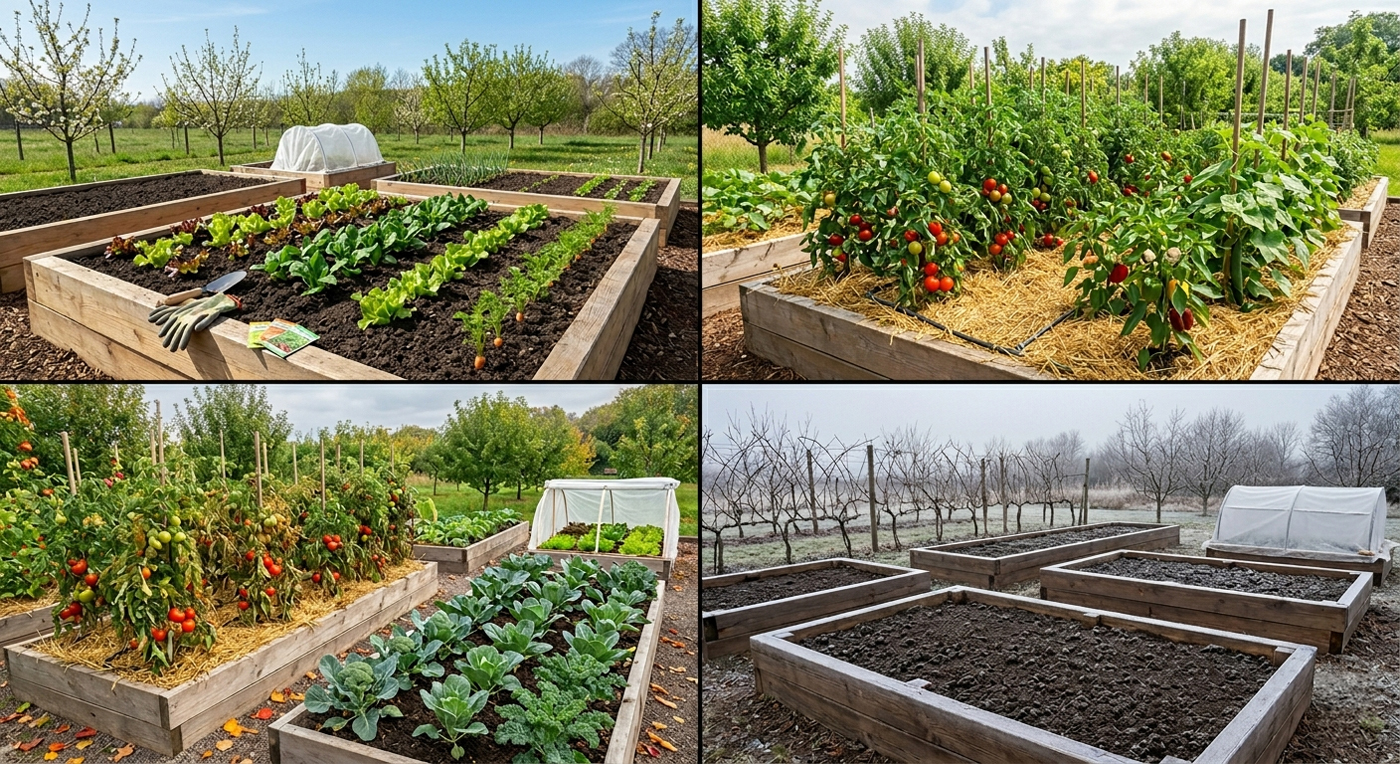
Understanding seasonal cycles is key to year-round gardening success.
-
Spring: Plant fast-growing vegetables like lettuce, radish, and peas. Start flowers from seeds indoors to transplant later.
-
Summer: Water deeply in the mornings, fertilize actively, and watch for heat stress. Grow heat-tolerant plants like tomatoes, peppers, and basil.
-
Autumn: Plant hardy vegetables such as kale, broccoli, and garlic. Mulch garden beds to prepare for winter.
-
Winter: Focus on indoor gardening, pruning dormant plants, or growing cold-tolerant greens under cover.
Seasonal guidance ensures your garden remains productive regardless of climate or temperature changes.
Tools and Supplies for Successful Growing
Having the right tools and supplies complements a growing guide perfectly:
-
Hand tools: Trowels, spades, and pruning shears.
-
Watering tools: Hoses, watering cans, or drip irrigation.
-
Soil amendments: Compost, fertilizers, and mulch.
-
Protective gear: Gloves, kneeling pads, and sun protection.
-
Plant supports: Stakes, cages, trellises, or netting.
The right tools make planting, watering, pruning, and harvesting easier and more efficient.
FAQ: Growing Guides
Q1: Are growing guides useful for beginners?
A1: Absolutely. Growing guides provide step-by-step instructions tailored to specific plants, making it easy for beginners to achieve successful results.
Q2: Can I grow vegetables year-round?
A2: Yes, by following seasonal guides, rotating crops, and using indoor or protected gardening techniques, you can harvest vegetables throughout the year.
Q3: How do I prevent common plant diseases?
A3: Maintain proper spacing, water at the base of plants, prune regularly, and use disease-resistant varieties. Clean tools and remove affected leaves promptly.
Q4: Should I use organic or chemical fertilizers?
A4: Organic fertilizers improve long-term soil health and are safer for edible plants, while chemical fertilizers provide quick results. The choice depends on your garden goals and preferences.
Q5: How often should I check my plants?
A5: Inspect your garden at least a few times a week to catch problems early, adjust watering, and remove weeds. Regular attention ensures healthier growth and higher yields.
Conclusion
Growing guides are invaluable tools for anyone looking to cultivate a healthy, productive garden. They provide structured, plant-specific advice that prevents mistakes, enhances yields, and makes gardening enjoyable. From preparing soil and selecting plants to watering, fertilizing, and troubleshooting common problems, following a reliable guide ensures your garden thrives year-round.
With the right techniques, seasonal care, tools, and attention, even beginners can grow vibrant flowers, delicious vegetables, and aromatic herbs successfully. Take the time to learn, plan, and follow growing guides carefully—your garden will reward you with beauty, productivity, and satisfaction for years to come.

