Beginning
One of the most important things to do to have a successful garden is to choose the right soil and fertilizers. Plants need healthy soil to get the nutrients, structure, and moisture they need to grow well. The right fertilizer helps roots grow strong, leaves stay healthy, and flowers bloom. Many gardeners have trouble because the soil they use is too heavy, too dry, or doesn’t have enough nutrients. Knowing what makes soil healthy and how to pick the right fertilizers for your garden can help plants grow a lot. Even beginners can make a place where plants grow well if they make the right choices.
Knowing What Good Soil Is
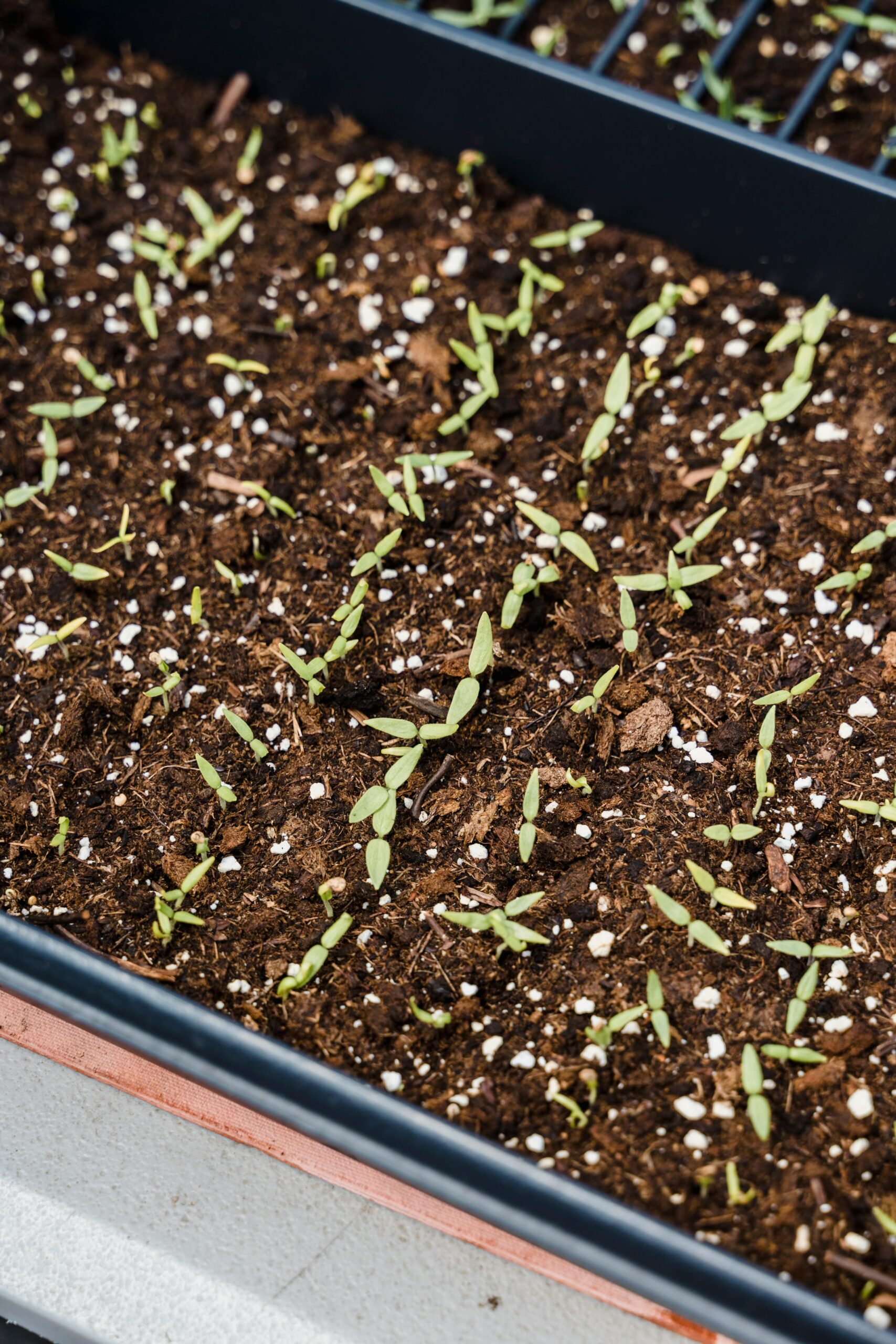
A good soil has a lot of nutrients, drains well, and is full of organic matter. Plants need soil that lets air get to the roots and holds enough water to keep them hydrated. Healthy soil also has good microorganisms that break down organic matter and release nutrients. Plants have a hard time getting what they need when the soil is too hard or sandy. Knowing how your soil feels and looks will help you make the right changes. Most plants grow best in soil that is loose, crumbly, and a little bit wet. Gardeners should try to get their soil to feel this way.
Choosing the Right Type of Soil for Your Garden
Different kinds of plants need different kinds of soil. Loamy soil with lots of nutrients is good for vegetable gardens, while cactus and succulents do best in sandy mixes that drain quickly. Flower beds need soil that holds water but doesn’t stay wet. To keep their roots from rotting, indoor plants also need special potting mixes. If you choose the right soil for your garden, your plants will have healthier roots and grow better. Many gardeners like to use high-quality commercial potting mixes because they are sterilized, light, and made for certain types of plants.
How to Make Your Garden Soil Better
Not all gardens have perfect soil to start with, but you can make almost any soil better. Adding compost makes the structure better and adds nutrients. Adding old manure or leaf mold makes the soil richer and helps it hold moisture better. Adding coarse sand and organic matter to clay soil makes it less dense, which lets roots grow more easily. Adding compost to sandy soil helps keep water and nutrients in. Regularly improving your soil keeps problems from happening in the future and makes it a better place for your plants to grow. As time goes on, better soil becomes more fertile and easier to work with.
Comprehending Different kinds of fertilizer
There are two main types of fertilizers: organic and synthetic. Compost, bone meal, and seaweed extract are examples of organic fertilizers that slowly release nutrients and make the soil healthier. They are great for long-term growth and won’t hurt the environment. Synthetic fertilizers give plants nutrients quickly and are useful when they need help right away. You can get them as liquids, granules, or slow-release forms. You can give plants the right amount of nutrients without overfeeding them if you know when to use each type. You need to pick the right fertilizer for the plant, the soil, and the stage of growth.
Picking the Right Fertilizer for Each Plant
Different plants need different amounts of nutrients. Fertilizers that are high in nitrogen and help strong foliage are needed for leafy vegetables. Phosphorus helps flowering plants grow bigger blooms, and potassium helps roots get stronger and makes the plant healthier as a whole. Balanced fertilizers that help plants grow slowly and steadily are good for indoor plants. It’s easier to know what each fertilizer does when you read the labels. Choosing fertilizers based on what plants need stops them from getting too little of something and helps them grow better all season.
How to Avoid Over-Fertilization and Other Mistakes
A lot of gardeners think that adding more fertilizer will make plants grow faster, but too much fertilizer can hurt them. Too much nitrogen can hurt roots, make stems weaker, and stop flowers from blooming. Using the wrong kind of fertilizer can also throw the soil off balance. Following the right amounts and schedules for feeding your plants will keep them safe. Watering after fertilizing helps the nutrients soak into the soil without hurting the roots. If you avoid these mistakes, your plants will be healthier, stronger, and more productive.
In conclusion
Picking the right soil and fertilizers is important for making sure your garden has a strong base. Plants grow best when they get the right nutrients, water, and conditions. They also need less care when they do. Long-term garden success depends on knowing about different types of soil, improving the soil you already have, choosing the right fertilizer, and avoiding common mistakes. The right mix of soil and fertilizers makes a healthy environment for plants to grow, whether they are flowers, vegetables, or indoor plants.
Questions and Answers
Q1: How can I tell if my soil is good for planting?
Soil that is healthy is dark, crumbly, and loose, and it has a lot of organic matter in it. It also drains well and holds moisture.
Q2: Do all plants need fertilizer?
Most plants need fertilizer, but the kind and amount depend on how big they are and how the soil is.
Q3: Is it okay to mix different kinds of fertilizers?
If the label doesn’t say it’s safe, don’t mix products. Mixing too much can throw off the balance of nutrients.
Q4: How often should I give my plants fertilizer?
How often you need to fertilize depends on the type of plant, but most gardens need to be fed every four to six weeks during the growing season.
Q5: Is compost all you need for fertilizer?
Compost makes soil better and gives plants nutrients, but some plants may still need more fertilizer to grow well.

