Start
One of the most important things to do in a garden is water it. Doing it right can mean the difference between healthy, thriving plants and weak, sickly ones. It’s very important to pick the right watering tools and irrigation systems for your small balcony garden, big backyard, or indoor plants. The best tools not only save you time and effort, but they also help you save water, cut down on waste, and make sure that each plant gets the right amount of moisture. Modern watering systems make gardening easier by being convenient, accurate, and efficient. Every tool has its own pros and cons depending on the size and needs of your garden. For example, watering cans and smart irrigation systems are both useful. This article talks about the best watering tools and systems for home gardens so you can keep your plants healthy and green all year long.
Knowing how important it is to water plants correctly
Water is the most important thing for plants because it helps them take in nutrients, photosynthesize, and grow in general. But watering the wrong way, whether too much or too little, can cause root rot, slow growth, pests, and diseases. Plants need balanced hydration to have strong roots and healthy leaves, and proper watering makes sure they get it. It is easier to control the flow of water and get to plants exactly where you want them with the right tools. They also help you avoid making mistakes like watering delicate plants too much or not getting to the soil under thick leaves. You can keep the right amount of moisture in your plants and lower their stress levels with the right watering system.
Simple home use with traditional watering cans
Watering cans are one of the oldest and best tools for home gardens. They let you pour in a controlled way and are great for watering small outdoor gardens, seedlings, and indoor plants. It is easier to carry a full can with a balanced handle. Plastic watering cans are easier to carry and lighter than metal ones, which last longer. A lot of cans have a rose head that can be taken off and on. This head spreads the water evenly, making it safe for small or delicate plants. This old-fashioned tool is still popular because it lets gardeners control the watering process completely.
Garden Hoses for Gardens of Medium to Large Size
If you have a big yard, a garden hose is a must-have tool for watering it. Hoses can be made of different materials, be different lengths and widths, and be different colors. A good hose should not kink, be easy to store, and last a long time. Modern hoses are often light and can be stretched, which makes them easier to use. You can change the water pressure and spray patterns on a hose nozzle. This lets you go from a light mist for delicate plants to a stronger stream for washing paths or deep watering shrubs. Garden hoses make it easy and quick to cover a lot of ground.
Soaker hoses for watering deeply and slowly
Soaker hoses are great for gardeners who want to keep their plants’ roots wet without wasting water. These hoses let water out slowly along their length, which lets it soak directly into the ground. They are great for flower borders, vegetable beds, and long rows of plants. Soaker hoses are a very effective way to water plants because they keep water from evaporating and running off. They also keep leaves dry, which lowers the risk of fungal diseases. You can leave them in place and connect them to a timer for hands-free watering once they are set up.
Drip irrigation systems for accurate watering
Drip irrigation is one of the best systems for home gardens that use less water. It sends water straight to the base of each plant through small tubes and emitters, which makes sure that there is very little waste. Drip systems work best in container gardens, raised beds, and gardens with a mix of plants. The soil stays evenly moist without getting too wet because the water is delivered slowly and accurately. Drip irrigation also helps roots grow better and stops weeds from growing because it doesn’t cover the whole surface of the soil with water. Many people who own homes use automated controllers to control how often and how long they water their plants.
Sprinkler systems for big areas and lawns
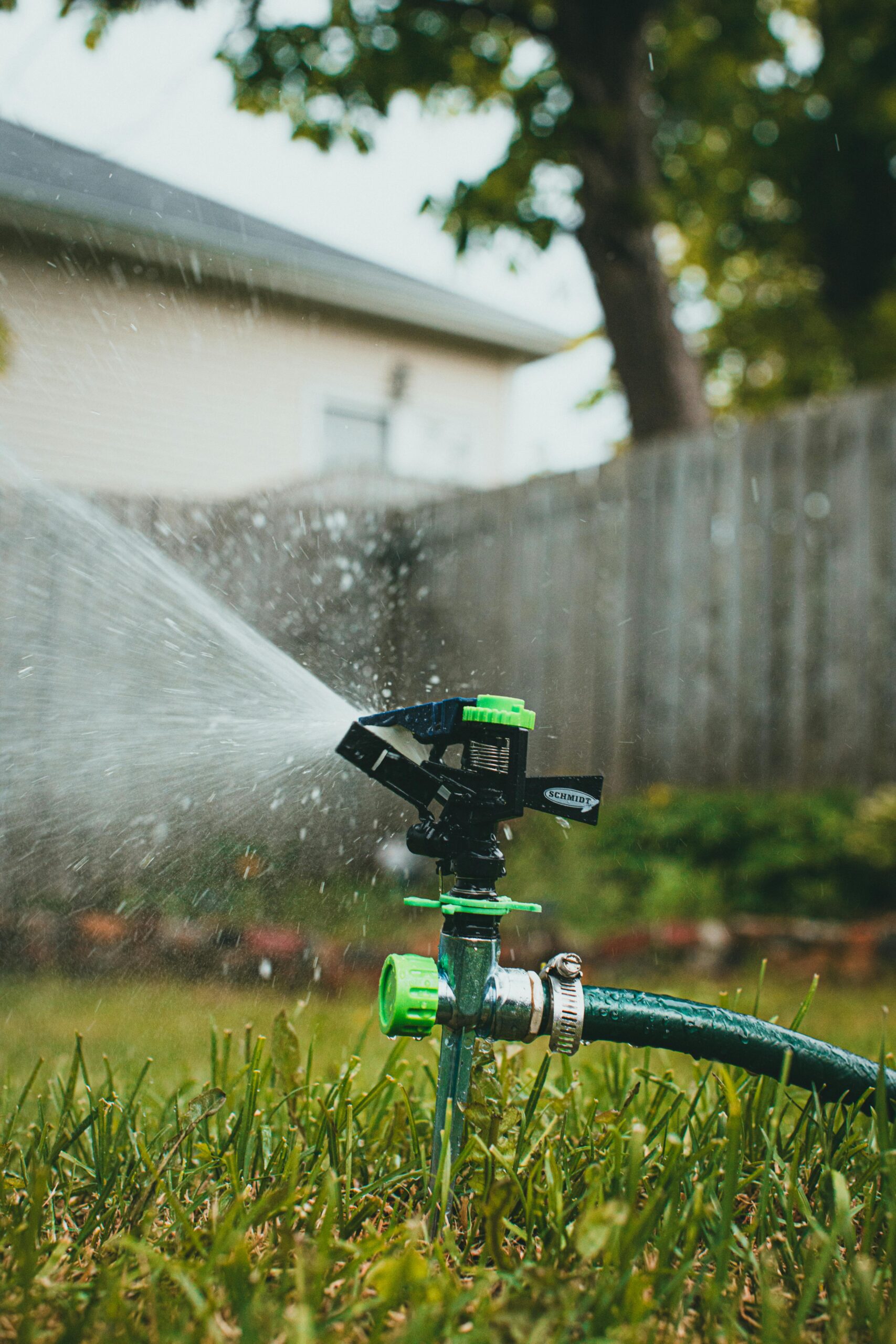
People often use sprinkler systems on lawns and big garden areas that need even amounts of water. There are many kinds of sprinklers, such as oscillating, rotating, and stationary, and they can cover large areas quickly. You can change the direction, distance, and shape of the watering area with adjustable sprinklers. Sprinklers are useful, but they work best on lawns because they spray water over a wide area and can wet the leaves of plants. A timer on your sprinkler lets you water early in the morning or late at night when the plants can soak it up better.
Watering Wands for Plants That Are Hard to Reach
Watering wands are long, thin attachments that attach to hoses. They are great for getting to hanging baskets, tall plants, and deep flower beds. The wand sends out a gentle stream that looks like rain, which protects delicate flowers and doesn’t disturb the soil too much. They are very flexible and easy to use, which makes them perfect for gardeners who want to water their plants exactly without having to bend or stretch too much. Many watering wands have handles that are easy to hold and spray settings that can be changed. This makes it easier to work in the garden for long periods of time.
Pots and containers that water themselves
Self-watering pots keep indoor plants, balcony plants, and busy gardeners’ plants moist without the need for frequent watering. These pots have a built-in reservoir that lets plants take in water as needed through capillary action. They help keep the plants from getting too much or too little water while also giving them a stable place to grow. Herbs, small vegetables, and houseplants do well with self-watering systems. They are also useful when you travel because they keep plants hydrated for days or even weeks.
Rain Barrels Help Save Water
Rain barrels are good for the environment because they collect and store rainwater from roofs. People can use this stored water for their gardens, which means they don’t have to rely on tap water as much and their utility bills go down. Rainwater is natural, doesn’t have any chemicals in it, and is very good for plants. Rain barrels are a great way to save resources and help with eco-friendly gardening. You can easily spread them around by connecting them to hoses or using watering cans.
Modern homes can use smart irrigation systems.
Smart irrigation systems use technology and gardening to make watering plants easier and more efficient. Sensors are often used in these systems to keep an eye on the weather, the moisture in the soil, and the plants’ water needs. They automatically change the watering schedule so that plants get the right amount of water at the right time. With smartphone apps, people can control irrigation from a distance, making gardening easier and more efficient. Smart systems are great for big gardens and people who travel a lot.
In conclusion
For plants to be healthy and grow well, you need to water your garden correctly. Choosing the right tools can make gardening a lot more fun. Each tool has its own pros and cons that depend on what your garden needs. You can choose between traditional watering cans, efficient drip irrigation, or high-tech smart systems. You can make your gardening easier, save water, and help your plants grow strong all year long by using the right watering tools.
Questions and Answers
Q1: What is the best watering tool for people who are just starting out?
A watering can or garden hose with a simple nozzle is the best choice for beginners because they are easy to use and give you good control.
Q2: Is it hard to set up a drip irrigation system?
No, modern drip kits are easy to use and come with clear instructions. Most homeowners can put them up without hiring a pro.
Q3: How often should I give my garden water?
How often you water your plants depends on the type of plant, the climate, and the type of soil. Instead of watering every day, most gardens do better with deep watering two to three times a week.
Q4: Are smart irrigation systems a good idea?
Yes, they save time, cut down on water waste, and make sure plants get the right amount of water with little work.
Q5: What is the best way to save water in home gardens?
Soaker hoses and drip irrigation are the best ways to save water because they send water directly to the roots with little evaporation.

