
Start
Even if you’re a complete beginner, growing herbs at home is one of the most rewarding and useful things you can do in the garden. Herbs are easy to care for, grow quickly, and add a fresh, natural flavor that makes your cooking taste better. You can have a thriving home herb garden even if you live in a small apartment with little light or a big house with a yard. This guide tells you everything you need to know about picking the right herbs, planting them the right way, taking care of them all year long, and keeping them healthy for a long time. By the end, you’ll be sure that you can grow your own fresh herbs right in your kitchen window, on your balcony, or in your garden.
Picking the Right Herbs to Grow
Choosing the right herbs for your lifestyle, the space you have, and the food you want to make is the first step to a successful herb garden. Some herbs do best in dry soil and full sun, while others do better in partial shade or with more water. Herbs like mint, basil, parsley, cilantro, thyme, and chives are great for beginners because they grow quickly and don’t mind small mistakes. Basil, oregano, and rosemary are great if you like to cook Italian food. Mint, coriander, and fenugreek are great for people who love desi food. Choosing herbs that go well with your meals means you’ll always have something fresh to pick and eat.
Making the Perfect Place to Grow
Most herbs like sunlight, but some herbs like it more than others. Basil, rosemary, and thyme are some of the culinary herbs that need at least six hours of direct light every day. You can still grow herbs like mint, parsley, and lemongrass even if your home doesn’t get a lot of direct sunlight. They can grow in partial shade. The quality of the soil is also important; herbs grow best in soil that is loose and drains well so it doesn’t stay soggy. Adding compost makes the nutrients better and helps the plant grow well. Make sure the pots you use to plant in have drainage holes so that extra water can easily get out.
How to Plant Herbs the Right Way
You can plant herbs from seeds, seedlings, or cuttings. Seeds are less expensive and come in more types, but they take longer to grow. On the other hand, seedlings give you a quick start because they are already partly grown. Cuttings are the best way to grow herbs like mint or rosemary because they root very easily in water or soil. Don’t plant the herbs too close together because they need air to stay healthy. A little space also gives each herb room to grow bigger roots and leaves that are fuller and bushier.
How to Water Your Herbs the Right Way
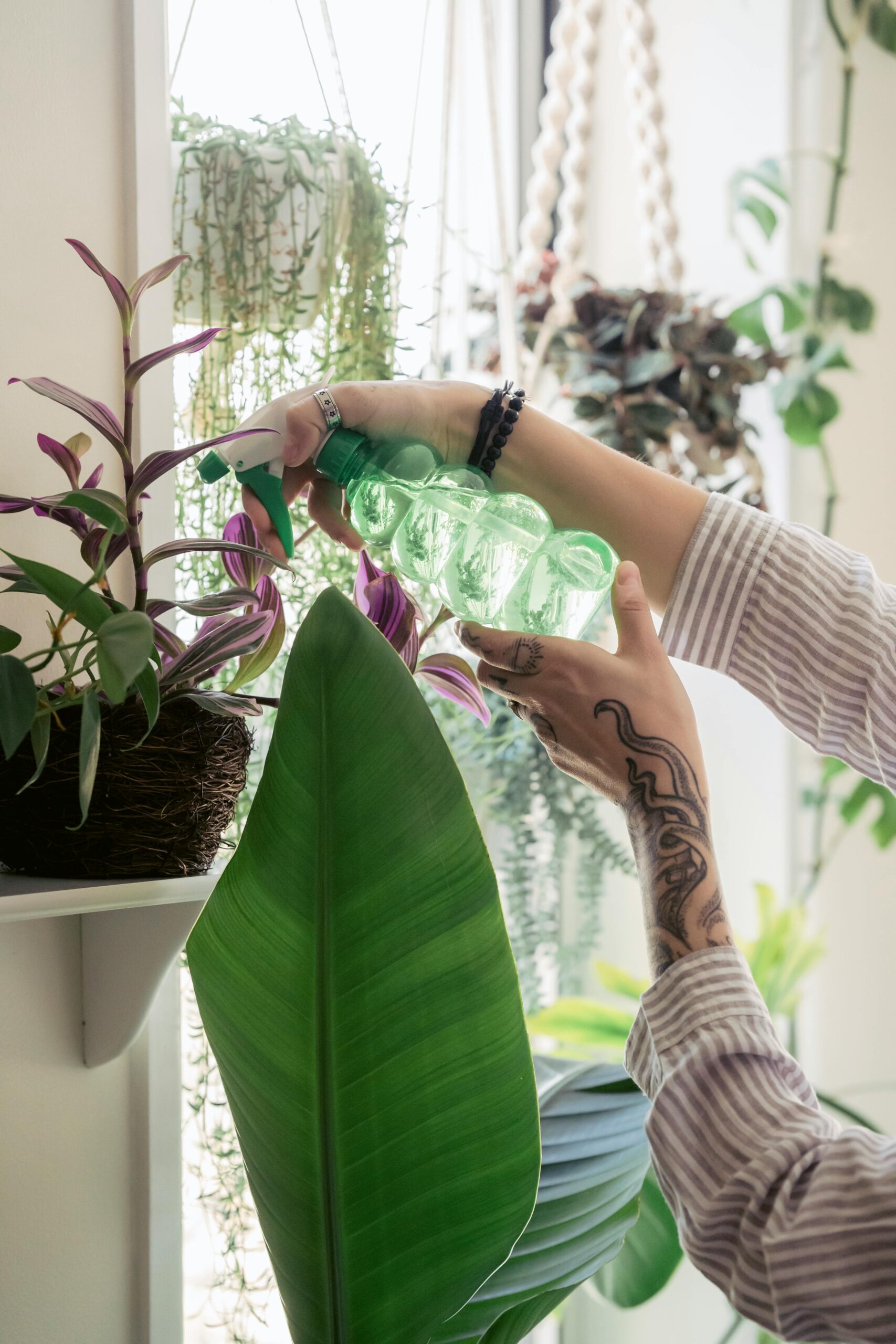
One of the most important things to do to grow herbs well is to water them. A lot of beginners have trouble because they either give their plants too much or too little water. Basil and parsley like soil that is always moist, but rosemary and thyme like the soil to dry out a little bit between waterings. Before watering, touch the soil. If the top inch feels dry, it’s time to water. Make sure the water gets to the roots and drains away completely. Don’t splash water on the leaves, especially in the afternoon when it’s hot, because it can cause leaf burn or mold problems.
Pruning and picking for the best growth
Herbs need to be pruned because it helps them grow more and stops them from getting leggy. Pinch the top leaves of basil and other herbs when they start to grow tall to encourage branching. This easy step helps the plant grow more leaves and puts off flowering, which can make the flavor less strong. Picking the plant’s fruit regularly is good for its health. When cutting stems, always cut from the top instead of the bottom to keep the plant’s shape even. To help the plant heal quickly, don’t take away more than a third of it at once.
Common Issues and How to Solve Them
Herbs are usually safe plants, but they can still have problems like yellow leaves, pests, slow growth, or wilting. If your leaves are yellow, it could be because you watered them too much or they didn’t get enough sunlight. Poor soil quality or not enough light are two common reasons for slow growth. Pests like aphids and spider mites may be drawn to herbs like mint. You can fix this naturally by spraying the plant with a mix of water and mild soap or gently wiping the leaves. If the roots of a herb get too crowded in a pot, putting it in a pot that is a little bit bigger can help it grow right away.
Growing herbs inside vs. outside
Herb gardening can be done both indoors and outdoors, but each type of space has its own needs. Herbs that grow indoors need windows that let in a lot of light, preferably south-facing, and a steady temperature. Do not put pots near air conditioners or cold drafts. Herbs that grow outside do better because they get natural sunlight and air flow, but they need to be protected from heavy rain and the heat of summer. Use mulch to keep the soil moist and the temperature stable if you grow herbs outside. No matter where they are, rotating the pots every few days makes sure that they all grow at the same rate.
In conclusion
Growing herbs at home is a fun, easy, and useful activity that anyone can do. Having fresh herbs on hand makes your meals taste better and healthier, whether you cook every day or just once in a while. If you pay attention to the sun, soil, watering, and pruning, your herbs will stay green and tasty all year long. Once you know the basics, you can try out different types of herbs, add to your collection, and enjoy the satisfaction of picking fresh, fragrant leaves from your own garden.
Frequently Asked Questions
Q1: What herbs are the easiest for new people to grow?
A1: Basil, mint, parsley, chives, and cilantro are the best herbs for new gardeners because they are easy to grow and you can count on them.
Q2: Do you need to give herbs fertilizer?
A2: You don’t need to feed herbs a lot. Once a month, light compost is all they need to stay healthy.
Q3: How often should I water my indoor herbs?
A3: This depends on the weather and the amount of sunlight, but in general, water when the top inch of soil is dry.
Q4: Is it possible for herbs to grow in small pots?
A4: Yes, many herbs do well in small pots as long as they have drainage holes and get enough light.
Q5: Why are my herbs getting yellow?
A5: If the leaves are yellow, it usually means that the plant is getting too much water, the soil isn’t draining well, or it isn’t getting enough light. Fixing the problem is as simple as changing these things.

