Beginning
Gardening is a great hobby, but beginners often find that it takes a lot more planning, attention, and patience than they thought. A lot of people start with a lot of excitement, but they quickly lose hope when their plants don’t grow, their leaves turn yellow, or their vegetables don’t produce anything useful. Most of the time, these problems happen because of simple, easy-to-avoid mistakes. If you know what these mistakes are and how to fix them, your gardening experience will be completely different. You don’t have to deal with sick plants; you can make a garden that grows well every season. This guide talks about the most common mistakes that new gardeners make and shows you how to avoid them in a clear, useful way so that you can have a beautiful, healthy garden at home.
Picking the Wrong Place for Plants
Putting plants in the wrong place is one of the most common mistakes beginners make. Not all plants do well in the same conditions, and most gardening failures happen when you pick a spot without knowing how the sun moves. Some plants need at least six hours of full sun every day, while others like partial or even full shade. If a plant doesn’t get enough light, it will become weak and spindly. It gets stressed and dries out quickly when it gets too much. Soil conditions are also important because some plants do well in soil that drains well, while others need soil that stays wet all the time. To avoid this mistake, you should watch your yard throughout the day to see how the sunlight moves and choose plants that will thrive in your yard’s natural conditions. Plants grow stronger, healthier, and much more easily when they are put in places that meet their needs.
Too much or too little water
More plants die from water problems than from pests or diseases. A lot of beginners think that watering every day is good, but plants don’t usually need that much water. Too much water suffocates roots, causes rot, and makes it easier for fungi to grow. Underwatering, on the other hand, makes plants dry out, wilt, and stop making flowers or fruit. Instead of sticking to a strict schedule, the key is to learn how to read the soil. Soil that is healthy should be damp but not wet. Touching the soil with your fingers before watering helps you figure out what the plant really needs. It’s also important to know how much moisture each plant needs because some plants do best in dry soil, while others do best in consistently damp soil. When you get the watering schedule right, your plants will grow much more reliably and with fewer problems.
Putting the seeds in the ground too deep or too shallow
Many beginners make the mistake of burying plants too deep or leaving their roots too close to the surface. Depth is very important for plant health. Plants that are buried too deeply have trouble getting enough oxygen and may rot before they can adapt. On the other hand, planting too shallow exposes roots to the sun and dry air, which stresses them out and makes them grow slowly. Seeds also need to be planted at the right depth. If they are planted too deep, they may not germinate; if they are planted too close to the surface, birds or quick drying may get to them. Always read the labels or packets that come with seeds or plants to avoid this mistake. Each plant has its own depth needs. Planting at the right depth makes sure that the roots grow strong, the plant gets the right amount of water, and the plant stays stable for a long time.
Not caring about the quality of the soil
A lot of new gardeners think that soil is just dirt and that any soil will work for any plant. This wrong idea makes plants not do well because soil is the most important part of a healthy garden. The right structure, drainage, and nutrients are all important for good soil to support root growth. If the soil is too sandy, too compacted, or not fertile, water will drain too quickly or not at all. Plants have a hard time growing even if you water them correctly when the soil doesn’t have enough nutrients. Adding compost or organic matter to your soil before planting is the best way to avoid making this mistake. You can also learn about your soil’s pH levels, nutrient deficiencies, and what amendments you need by testing it. Putting money into soil health is always worth it because healthy soil makes plants that are strong and able to survive.
Putting plants too close together
Beginners who are excited often plant too many seedlings in a small area because they want a full, lush garden. Sadly, too many plants in one place is one of the most common reasons for weak plants, bad air flow, and a higher risk of disease. Plants need room to grow their roots, stretch their branches, and get the right amount of sunlight. When they are too close together, they fight for water and nutrients, which stops their growth. The air doesn’t move around as much, which makes the air humid and makes mold and fungus grow. To avoid making this mistake, you need to carefully read the spacing instructions and not plant more than what is recommended. Plants that are spaced correctly are stronger, produce more, and have fewer problems with maintenance.
Overusing fertilizer
A lot of new gardeners think that adding more fertilizer will make plants grow faster and healthier. But giving too much fertilizer can hurt roots, burn leaves, and throw off the plant’s natural balance. Too much fertilizer can also cause salt to build up in the soil, which makes it harder for roots to take in nutrients. If you give a plant too much fertilizer, it may grow quickly at first, but then it will get weak and be more likely to get pests. The most important thing is to know what your plants really need. Organic or slow-release fertilizers are best because they give plants nutrients over time. Reading labels and using the right amount of fertilizer will help plants grow steadily and naturally without any problems.
Not using mulch or using it wrong
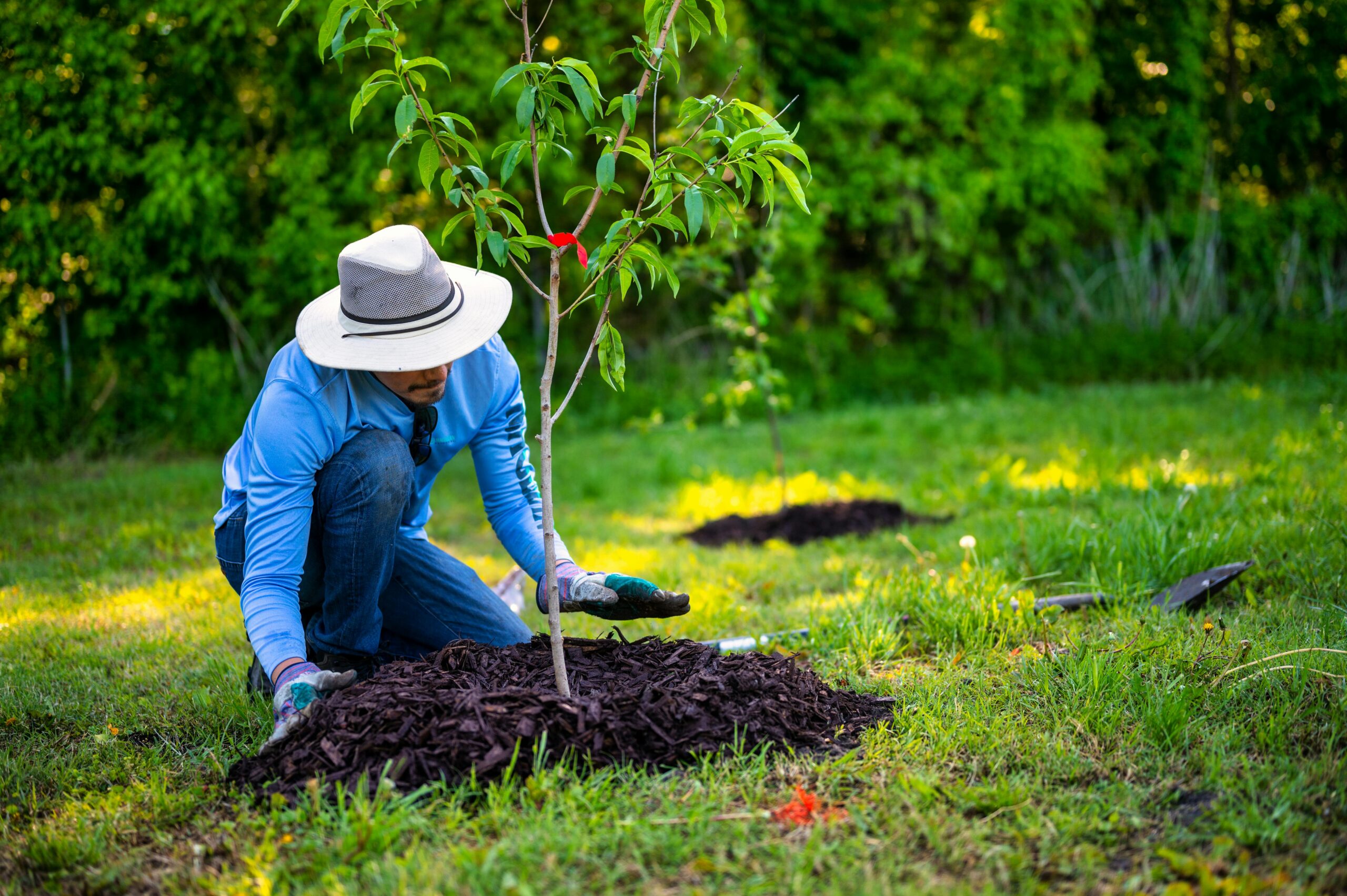
Mulch is very important for keeping the soil moist, controlling the temperature, and keeping weeds at bay. A lot of the time, beginners don’t even bother with mulching, which makes the soil dry, makes it evaporate too much, and makes weeds grow faster. Some people use mulch wrong by putting it right up against the stems of plants, which makes the area warm and damp, which attracts pests and rot. It’s easy to avoid these mistakes. Put mulch on the ground around your plants, but make sure there is room around the stem for air to flow. A garden that is well-mulched is easier to care for, healthier, and much more resistant to extreme weather.
Not doing regular maintenance
Many people who are new to gardening have trouble because they think that planting is the hard part and that maintenance is optional. If you don’t take care of your plants regularly, weeds will take over, pests will spread, the soil will dry out, and the plants will get stressed. It doesn’t have to be hard to take care of your garden; all you have to do is check on it for a few minutes every few days. If you look closely at your plants, you can spot early signs of disease or nutrient deficiencies before they become major issues. Taking care of your garden regularly will help it stay healthy and grow, and it will also help you feel more confident as a gardener.
Growing Plants That Don’t Work in Your Climate
Some people who are just starting out fall in love with certain flowers, vegetables, or fruits without knowing that their local climate may not be good for those plants. Plants have a hard time with temperature changes, humidity levels, and seasonal conditions that aren’t like what they would find in their natural habitat when they are grown outside of their preferred zones. Long-term success is more likely if you learn about your climate zone and pick plants that naturally do well in your area. Plants that are suited to your weather need less work, fewer resources, and very little troubleshooting.
Questions and Answers
Q: Why do my plants keep dying even though I water them every day?
A: Watering every day could cause overwatering, which would kill the roots. Before watering, check how wet the soil is and change the amount of water you give it based on what the plant needs.
Q: How can I tell if my soil is good for planting?
A: You can check the quality of your soil at home or by watching how well your plants grow. Adding compost makes the soil better by improving its texture, nutrients, and drainage.
Q: Do beginners need fertilizer?
A: Fertilizer can help, but you need to be careful with it. Use organic compost first, and only add fertilizer if the plants look like they need it.
Q: Why are my plants turning yellow?
A: Yellow leaves usually mean that the plant isn’t getting enough water, nutrients, or drainage. Check the moisture level in the soil and think about ways to make it better.
Q: Is it possible to grow vegetables in pots instead of in the ground?
A: Yes, a lot of vegetables do well in containers as long as the pots are big enough and the soil is good.

